
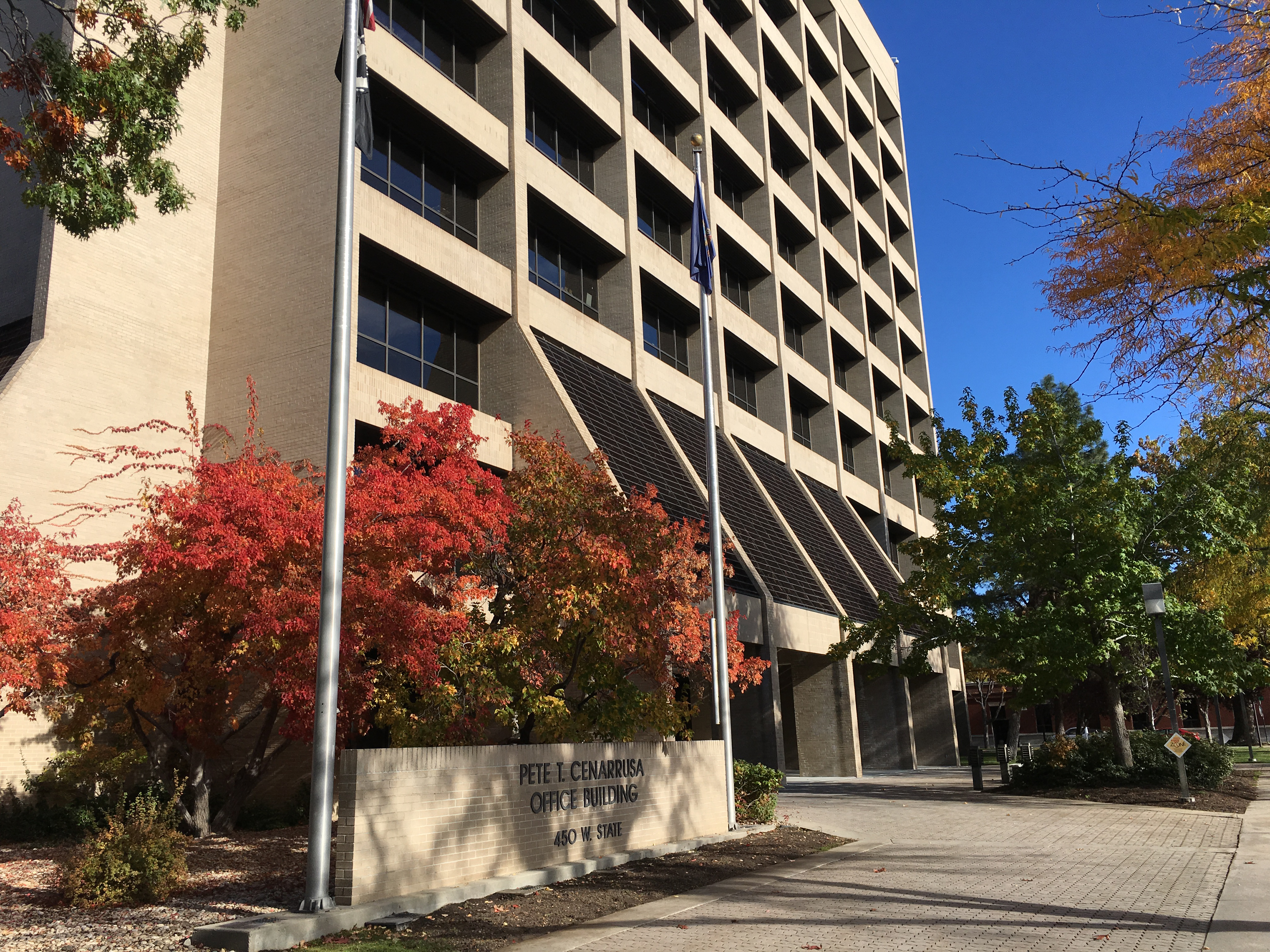

(Photo courtesy IDHW)
By Ruth Brown, Idaho Reports
The House Health and Welfare Committee introduced a bill Monday to lower the household income rate for refugees to be eligible for the Idaho Refugee Medical Assistance Act.
Currently, refugees must not exceed 150% of the federal poverty guideline to be eligible. Under the bill, sponsored by Rep. John Vander Woude, R-Nampa, the threshold would be set at 133% of the federal poverty guideline.
For a single person, the federal poverty line is $15,650. For a family of four, the federal poverty line is set at $32,150.
As long as the individual is in the state legally under refugee or asylum status, and meets the income criteria, they could still receive the assistance. The program is intended to create short-term health care coverage for people who are ineligible for Medicaid. Many non-citizens do not qualify for programs such as Medicaid and Medicare.
In the last fiscal year, Idaho spent $1.084 million on the Refugee Medical Assistance program, according to the Idaho Department of Health and Welfare.
The Idaho Office of Refugees’ website states that in fiscal year 2025, they were on track to resettle 875 refugees through resettlement agencies. Not all those people would be eligible for the Refugee Medical Assistance Act.
Unrelated to Vander Woude’s bill, President Donald Trump put an indefinite pause on refugee resettlement. Supporters of the refugee resettlement program challenged Trump’s decision on Monday, according to Reuters.com.
The bill still must get a full public hearing before the Health and Welfare Committee.

Ruth Brown | Producer
Ruth Brown grew up in South Dakota and her first job out of college was covering the South Dakota Legislature. She’s since moved on to Idaho lawmakers. Brown spent 10 years working in print journalism, including newspapers such as the Idaho Statesman and Idaho Press, where she’s covered everything from the correctional system to health care issues. She joined Idaho Reports in 2021 and looks forward to telling stories about how state policy can impact the lives of regular Idahoans.