

By Ruth Brown, Idaho Reports
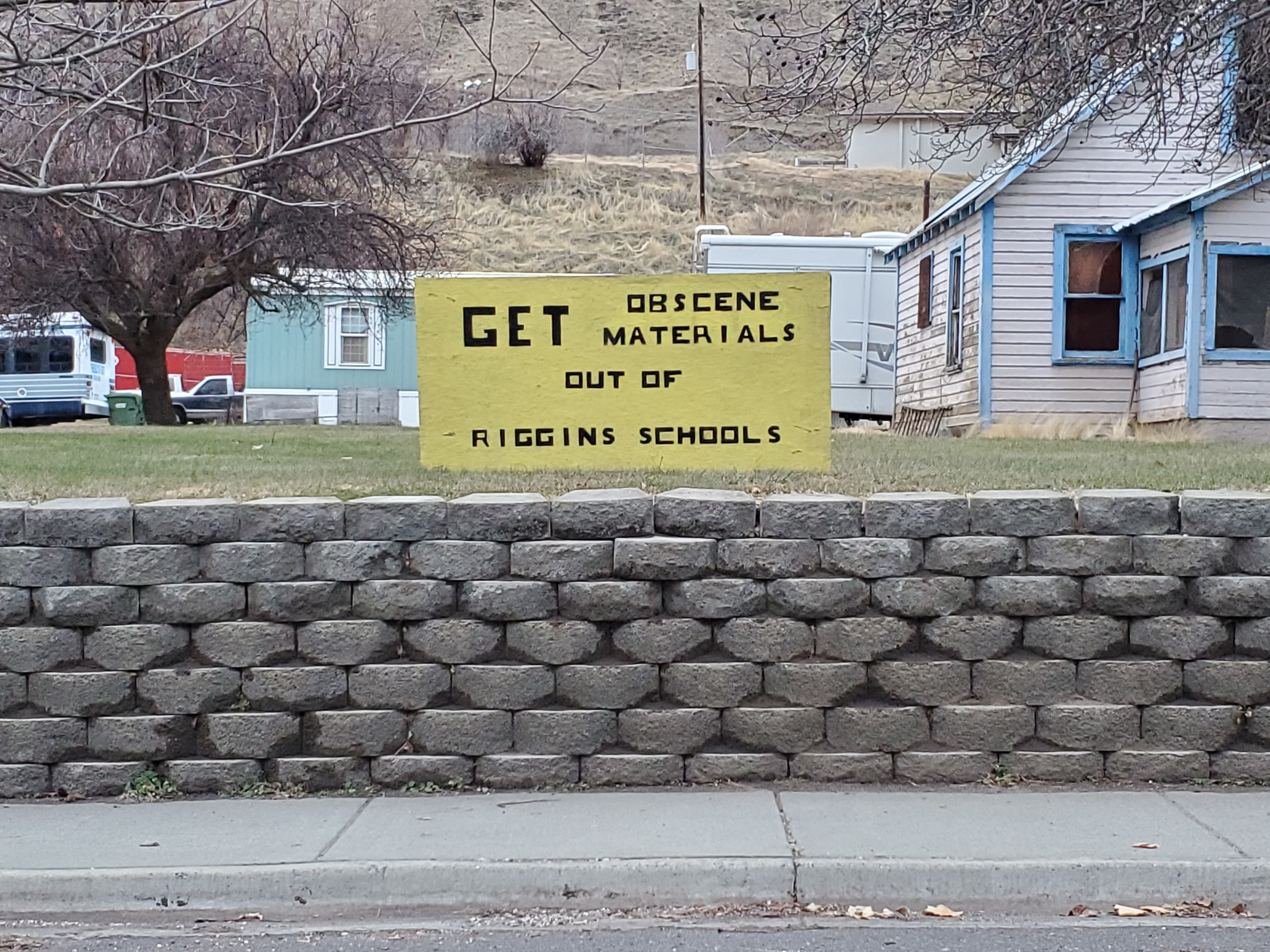
The Idaho Senate passed the long-awaited library bill in a 24-11 vote on Wednesday, intended to keep “obscene content” away from minors.
An ongoing topic of contention for the last three years, HB 710 is the fifth version of a library bill to make its way through the building.
Under this bill, a parent or guardian prior to filing a lawsuit would be required to provide written notice to the school or public library asking them to relocate material within 60 days to a section designated for adults. If the library fails to relocate the “obscene content,” a lawsuit may be filed for $250, as well as actual damages and any other relief.
The bill does not put a cap on how much a person could claim in actual damages, nor does it address legal fees. The potential lawsuits include libraries at both public and private schools providing K-12 instruction.
Under the bill, content could be deemed harmful to minors when “judged by the average person, applying contemporary community standards.”
The bill includes nudity, sexual conduct including masturbation, sexual excitement, and sado-masochistic abuse as factors that could be “patently offensive to prevailing standards in the adult community with respect to what is suitable material for minors.”
In debate, Sen. Chris Trakel, R-Caldwell, read part of a book called “Let’s Talk About It” before Lt. Gov. Scott Bedke, presiding over the Senate, told him to move on. The book’s subhead is “The Teen’s Guide to Sex, Relationships, and Being a Human,” and Trakel said a 12-year-old checked it out at a public library.
Bill sponsor Sen. Cindy Carlson, R-Riggins, said she believes the problem in libraries has been downplayed.
“Remember, we are trying to protect kids from material that we cannot read on the Senate floor,” Carlson said.
Sen. Ron Taylor, D-Hailey, voted against the bill, saying he did not believe it was a problem.
“It’s a compromise for a problem that I don’t believe exists,” Taylor said. “It’s something, personally, that I believe has been exaggerated quite a bit.”
Sen. Ben Toews, R-Coeur d’Alene, argued that people would be criminally charged for delivering this kind of content to children outside of a library.
Sen. Abby Lee, R-Fruitland, expressed concern that the bill could create activism with people going into libraries intentionally seeking out certain books. Her concerns were based on the legal fees that libraries may accrue.
“I will take issue with not supporting this bill meaning you don’t protect children,” Lee said.
Sen. Treg Bernt, R-Meridian, supported previous library bills but voted against the bill Wednesday. He said the language in the bill would cause problems for the libraries in his district.
“For me this boils down to liability,” said Bernt. “There’s a stark difference between adult-only and adult sections (of libraries). That’s where I struggle.”
Several librarians have said in committee hearings that their facilities do not have adult-only sections, and school libraries by definition do not have adult sections.
“I would just ask, why have libraries and books been targeted and banned throughout history?” said Sen. Carrie Semmelroth, D-Boise. “Knowledge is powerful, ideas are contagious, and those who value of freedom of expression and diverse perspectives know that intellectual freedom and free thinking is critical for a healthy democracy.”
In addition to the Democrats, Sens. Julie Van Orden, R-Pingree; Linda Wright Hartgen, R-Twin Falls; Bernt, and Lee voted against the bill.
After the Senate passed it, the House of Representative had to approve the amendments made. The Senate changed the waiting period from 30 days to 60 days. The House approved the change in a 45-24 vote on Wednesday.
The bill now heads to the governor’s desk for signature. Gov. Brad Little vetoed the library bill lawmakers passed last year but has not publicly indicated his stance on this legislation.

Ruth Brown | Producer
Ruth Brown grew up in South Dakota and her first job out of college was covering the South Dakota Legislature. She’s since moved on to Idaho lawmakers. Brown spent 10 years working in print journalism, including newspapers such as the Idaho Statesman and Idaho Press, where she’s covered everything from the correctional system to health care issues. She joined Idaho Reports in 2021 and looks forward to telling stories about how state policy can impact the lives of regular Idahoans.